
A white-label development partner builds work that your agency delivers under its own name. If the partner is late, unclear or careless, the client sees your agency fail, not theirs. That makes the choice of partner a decision about your reputation as much as about cost.
Most development companies look similar from their websites. This guide sets out what to check so that you can tell them apart before any client work depends on the answer. We are a white-label development partner ourselves, so read it as one supplier's honest view of how to assess suppliers, including us.
Decide what you need before you compare anyone
A partner can only be judged against a need. Write down three things first:
The work: the kind of projects you want to hand over, such as WordPress sites, custom web applications or mobile apps.
The pattern: occasional projects, a steady monthly flow, or cover for busy periods.
The contact model: whether the partner stays behind your team or may speak to clients under an agreed introduction.
A company that suits one-off brochure websites may not suit a long-running web application. Knowing your own pattern removes several candidates before you speak to them. Our guide to when to use a white-label development partner compares the delivery models in more detail.
Ask for evidence you can check
Portfolio pages show finished screens. They do not show how the work was delivered. Ask for evidence that does.
Work similar to yours: two or three projects close to the kind you plan to send, with a plain description of what the partner built.
Something you can open: a live website, an app in a store or a recorded walkthrough. White-label work is often confidential, so a partner may not be able to name clients. A partner with nothing at all to show is a different matter.
A reference from an agency: a short conversation with another agency owner tells you more than any testimonial. Ask what happened the last time something went wrong.
A sample handover: the documents, access list and instructions a client received at the end of a past project, with private details removed.
The last item is the most revealing. A team that hands work over well has usually built it carefully.
Test communication before you test code
Poor communication causes more failed partnerships than poor code. You can test it during the sales conversation, before any work starts.
Notice three things:
Do they ask questions? A good partner questions an unclear brief. One that accepts everything without a question will guess later, at your expense.
Do they write clearly? You will forward or rework their messages for your client. Unclear writing becomes your extra work.
Do the working hours overlap? Agree which hours both teams are available and how quickly an ordinary message is answered. A partner in another time zone can work well if this is settled early.
Also ask who you will deal with day to day. The person who sells the service is not always the person who manages the project.
Read the estimate as a description of work
Send each candidate the same short brief and compare what comes back. The total matters less than what the estimate tells you.
A dependable estimate states:
what is included and what is left out;
the assumptions it rests on, such as who supplies designs and content;
how many review rounds are covered;
which browsers and devices will be tested;
what is delivered at handover.
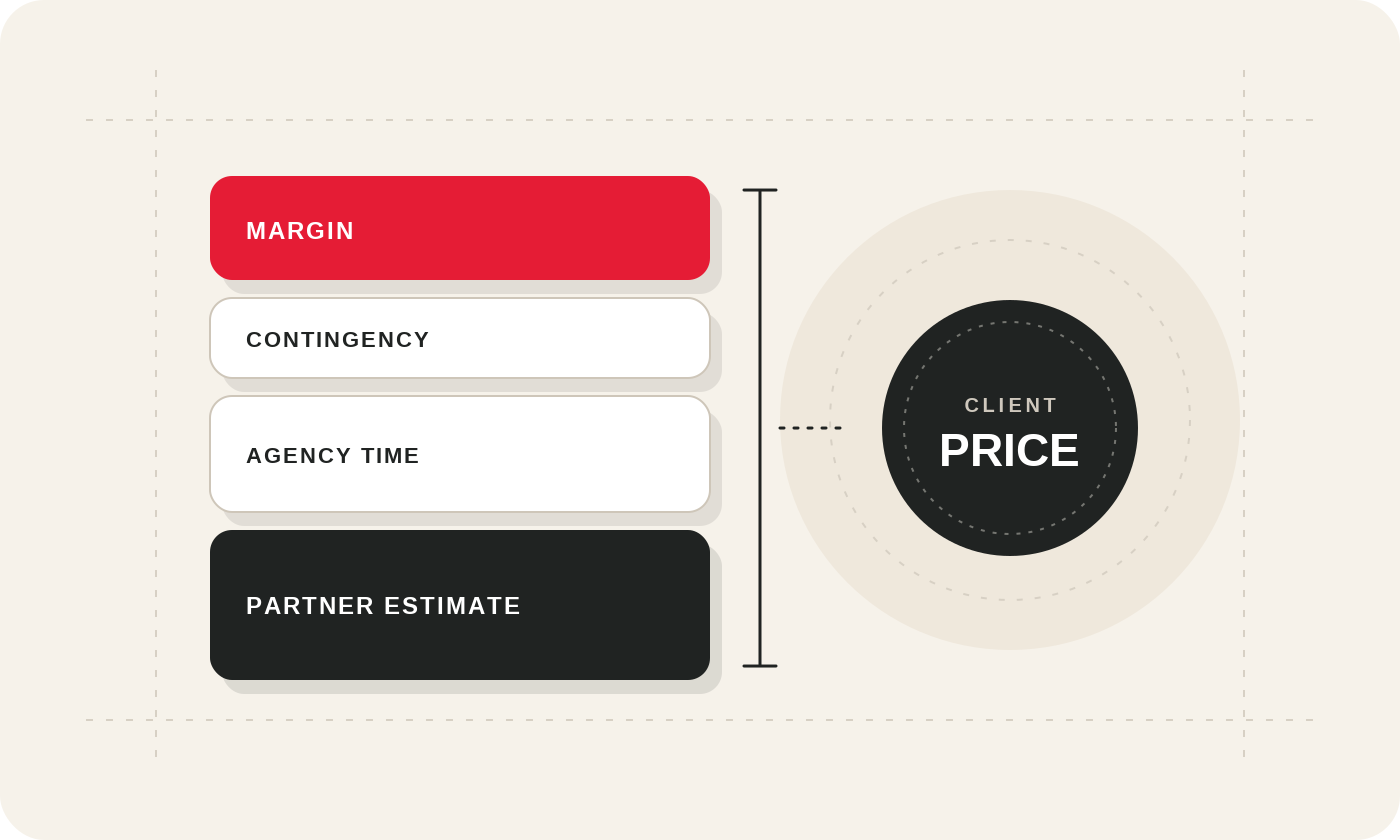
Be cautious about the lowest figure. A low estimate with no assumptions usually means the difficult parts have not been considered yet. They will appear later as delays or extra charges. Our guide to pricing a white-label website shows how to turn a partner's estimate into a client price.
Settle ownership and confidentiality in writing
Before the first project, the agreement should answer these questions plainly:
Who owns the code and designs once the work is paid for?
Whose accounts hold the hosting, domains, app store listings and third-party services?
What stays confidential, including the client's name and the partner's involvement?
Will the partner approach your clients directly? The agreement should say that it will not.
What happens if you stop working together, including how work in progress and access are returned?
A partner who is comfortable with these questions has answered them before. Hesitation here is worth noting. Our free website handover checklist for agencies lists the ownership and access points to agree.
Warning signs
None of these proves a partner is poor. Two or three together should slow you down.
An estimate arrives within minutes, with no questions asked.
The price is far below every other candidate, with no explanation.
Nobody can say who will manage your project.
There is no written process for changes to scope.
Questions about ownership or account access get vague answers.
You are pressed to commit to a long contract before a first project.
Start with a small paid project
Do not judge a partner on a large client project. Choose something small and real: a landing page, a single feature or a contained piece of maintenance. Pay for it properly, so the partner treats it as real work.
Then look at how it went, not only at the result:
Was the brief questioned where it was unclear?
Did updates arrive without being chased?
Was the first delivery close to the brief?
How were corrections handled?
Was the handover complete?
One small project shows more than any number of sales calls.
A simple scorecard
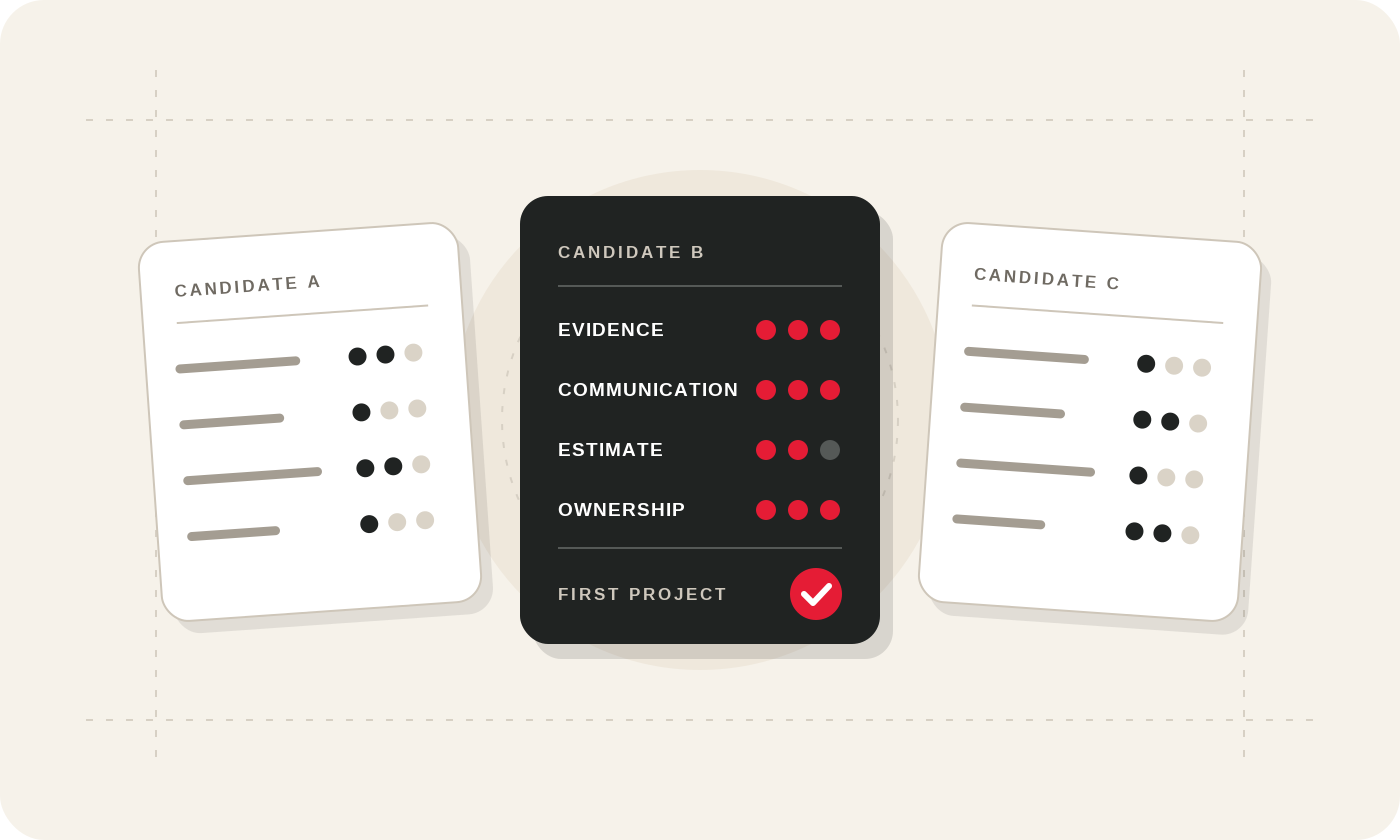
Score each candidate from 1 to 5 on the points below, using what you saw, not what you were told.
Relevant work: have they built projects like yours?
Evidence: could you open or verify what they showed?
Communication: were their questions and writing clear?
Estimate quality: were scope, assumptions and exclusions stated?
Ownership terms: were the answers on code, accounts and confidentiality direct?
First project: how did the small paid project go?
The highest total is not automatically the right choice. A low score on communication or ownership should count for more than a small difference in price.
FAQ• Frequently Asked Questions
What is a white-label development partner?
A development team that builds websites, software or apps which an agency delivers to its own clients under the agency's name. The agency keeps the client relationship. The partner supplies the delivery capacity or skills the agency does not have in-house.
How many partners should an agency compare?
Three is usually enough. Send each the same short brief so that the estimates can be compared fairly. More than that tends to add calls without adding information.
Should the partner be in the same country as the agency?
Not necessarily. What matters is a few shared working hours each day, clear written communication and an agreed response time. Check these directly instead of assuming them from the location.
Should an agency tell clients it uses a development partner?
That is the agency's decision, and it should be agreed with the partner in writing. Some agencies present the partner as part of an extended team. Others keep the arrangement private. Either can work if the partner follows the agreed approach consistently.
What should the first project with a new partner be?
Something small, real and paid, with a clear brief and a fixed end. It should be useful if it goes well and easy to recover from if it does not.